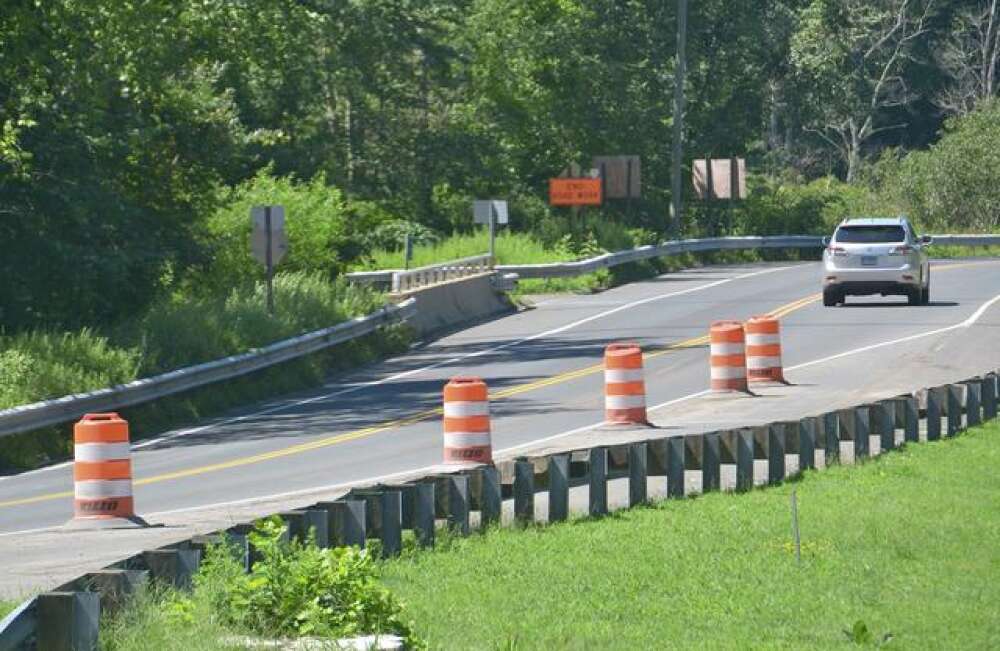
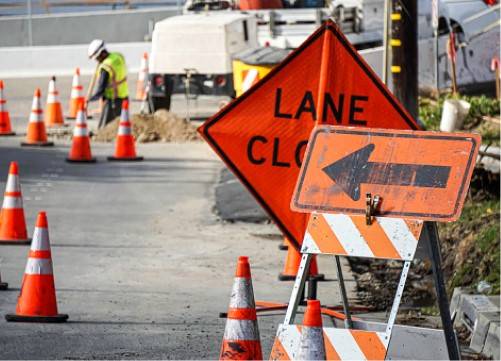
Much of today’s work zone safety strategy focuses on physical barriers—cones, buffers, and guardrails—intended to protect crews from the tragic consequences of vehicle collisions. While these measures are necessary, they remain inherently reactive.
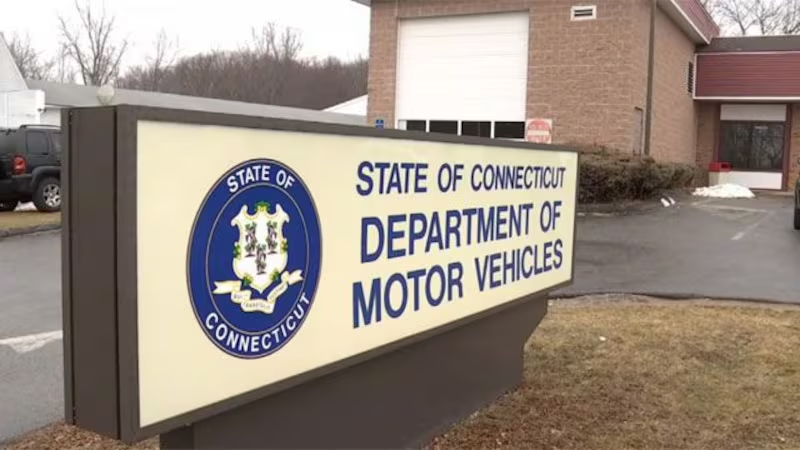
The Connecticut Department of Transportation is taking a different approach. Rather than relying solely on physical protection, Connecticut is addressing the psychological and educational gap in driver awareness. Its new requirement introduces a simple but overdue idea: make work zone safety a core part of driver education from the start.
By making work zone safety for new drivers a foundational component of learning, Connecticut is creating a proactive model that could reduce work zone crashes and improve traffic control safety statewide.
How the Online Work Zone Safety Test Works
The work zone safety test is delivered online through the state’s permitting system and must be completed alongside or prior to the knowledge test for a learner’s permit. It covers:
Temporary traffic control zones
Traffic control safety measures
Work zone signage and lane shifts
Flagger communication and reduced speed requirements
Drivers navigate real-world scenarios and must demonstrate comprehension before proceeding. By completing this test, new drivers gain early exposure to the types of decisions required in active work zones, increasing awareness and preparedness.
A Broader Trend in Driver Education
While Connecticut is among the first states to make a dedicated work zone safety course part of the learner’s permit requirements, similar strategies have been piloted elsewhere. Several states incorporate work zone safety questions into written exams, and national organizations like the Federal Highway Administration and American Traffic Safety Services Association have long emphasized traffic control safety and education for new drivers.
Embedding a standardized course at the permitting stage represents a more proactive and consistent approach than signage, fines, or public awareness campaigns alone.
Driving schools such as Frank’s Driving School note that new drivers often lack even basic familiarity with temporary traffic control measures and work zone safety. By introducing these concepts early, instructors can build on a foundation rather than starting from scratch. This improves comprehension and allows for more practical, scenario-based training during in-car lessons.
Why Work Zone Safety for New Drivers Matters
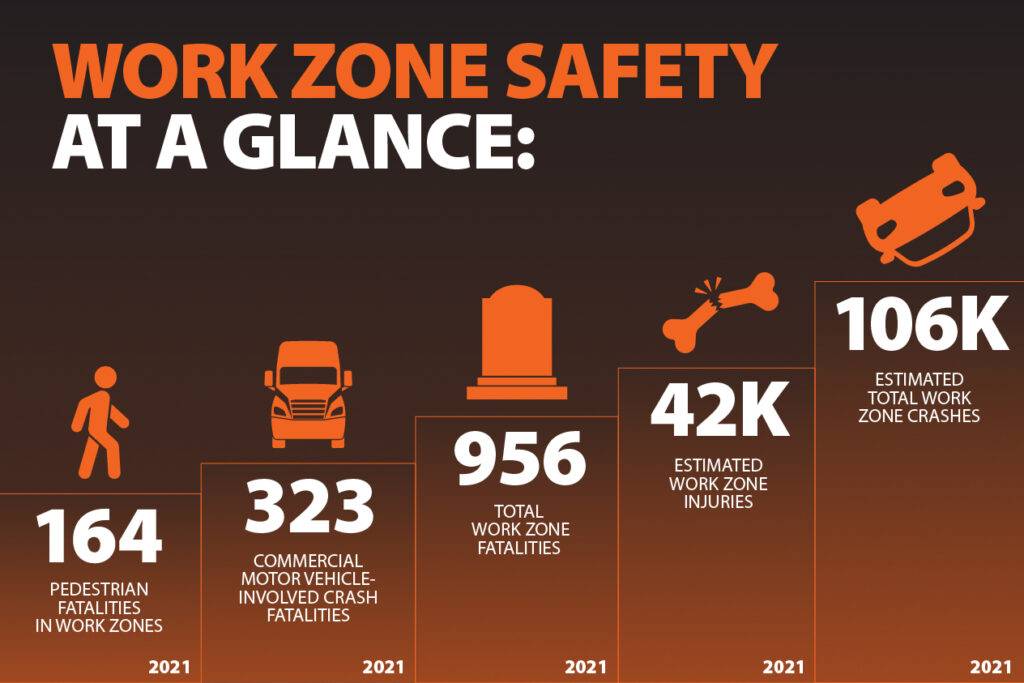
Work zones remain one of the most hazardous areas on public roads, with thousands of crashes occurring each year in the U.S. Inexperience, distraction, and misjudgment are frequent contributors, particularly among new drivers.
Awareness is the most effective tool in reducing work zone crashes. While enforcement measures such as fines or speed cameras help, they are reactive. Early education equips drivers to anticipate and respond to temporary traffic control measures before they face real-world risks.
Potential Impact on the Transportation and Construction Industries
A population of drivers trained in traffic control safety and work zone awareness from the outset could lead to fewer incidents, reduced project delays, and safer conditions for roadside crews. It also strengthens risk management for construction and transportation agencies by integrating education into overall safety strategies.
Early Exposure Builds Lasting Awareness
Perhaps the most significant advantage of this program is the timing. By introducing work zone safety at the learner’s permit stage, CTDOT ensures these principles are learned as baseline driving behaviors rather than situational responses.
New drivers are more likely to default to caution, compliance, and situational awareness in temporary traffic control zones. According to the FHWA and ATSSA, driver behavior is the leading factor in work zone crashes. Addressing this behavior early is a proactive step that could reduce incidents and improve overall traffic control safety.
Source: https://www.workzonesafe.com/
If successful, this initiative could normalize work zone awareness as a standard expectation for all drivers, laying a foundation for safer roads and more efficient construction zones.
Conclusion: Setting a New Standard for Safe Driving
By embedding work zone safety education into Connecticut learner’s permit requirements, the state is taking a proactive, prevention-focused approach. This isn’t just about avoiding crashes; it’s about shaping driver behavior from day one. Early exposure to traffic control safety and temporary traffic control measures sets new drivers up to anticipate risks, respond safely, and make safer choices—potentially reducing work zone crashes across the state and establishing a new benchmark for driver education nationwide.
If you have been to he American Traffic Safety Services Association’s (ATSSA) Exposition, you have probably heard of it’s New Product Rollout competition. The NPRO has been a staple of the great traffic control convention for many years, cultivating safety innovation by spurring on competition throughout the traffic control industry. For it’s latest installment of this competition, ATSSA will be featuring 20 new traffic control safety products as well as som
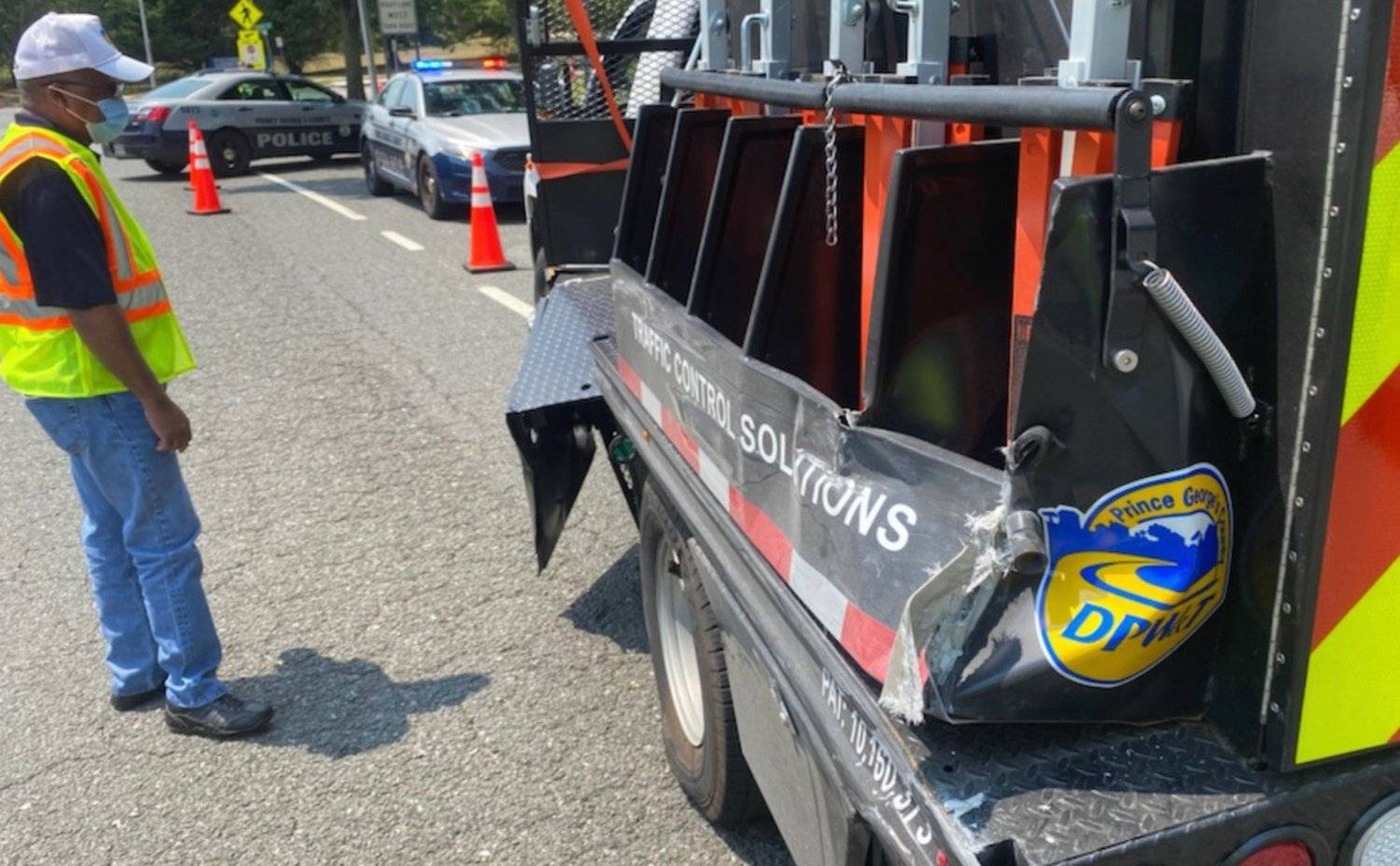
Just as it has for PGCDPW&T, this innovation can make all the difference for your work zones, your service vehicles, and most importantly your crews.
Works Cited
“Work Zone Safety Course Required for New Drivers.” Connecticut Department of Motor Vehicles, portal.ct.gov/dmv/resources/dmv-news/work-zone-safety-course?language=en_US.
Traffic control industry safety doesn’t always come from inside the industry. Here’s how this industry outsider can be the solution to shake up traffic control safety issues at their core.