INDOT’s Project Greenlight: Wearable Safety Lighting for Highway Worker Visibility
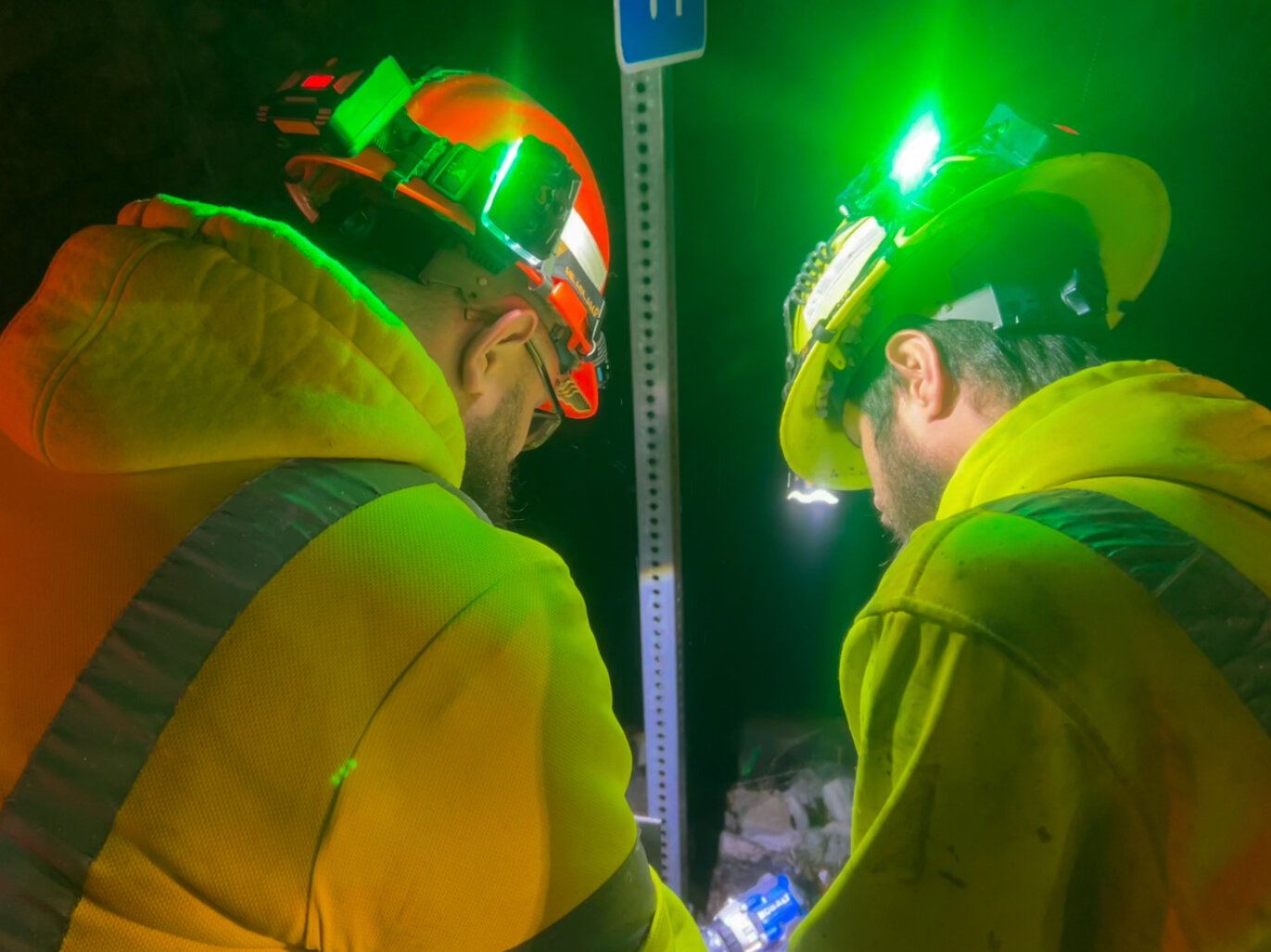
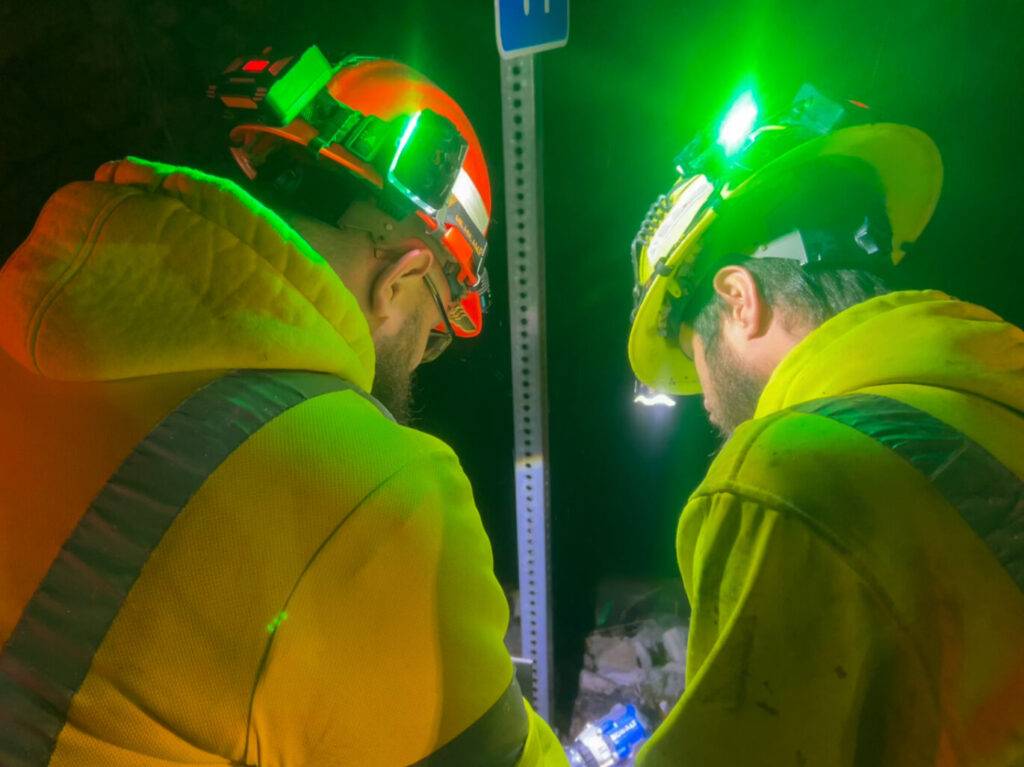
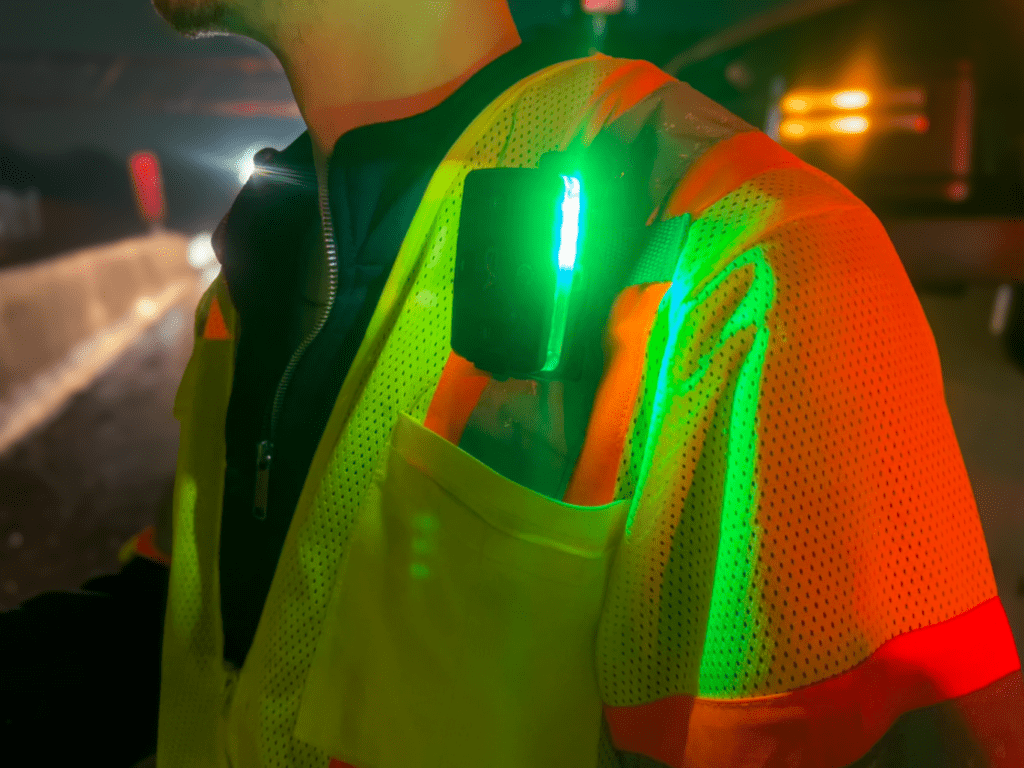
The Indiana Department of Transportation (INDOT) has rolled out a new worker‑visibility initiative that’s drawing attention across the highway safety and traffic control industry. Known as Project Greenlight, the program equips roadway crews with wearable LED devices—commonly referred to as “Guardian Angel” lights—designed to make workers more visible to approaching drivers.
Workers clip the small device to a vest or jacket, and it emits flashing green LEDs that remain visible regardless of where the worker moves within the work zone. Unlike traditional work-zone lighting, which primarily illuminates an area, this approach puts the light directly on the person. While wearable strobes are not new in emergency response or industrial environments, what makes Project Greenlight notable is that INDOT is deploying the technology systematically across field crews, potentially positioning wearable lighting as a standard layer in work-zone safety strategies.
INDOT plans to distribute roughly 375 lights statewide, with a program cost of about $30,000, a modest investment by transportation standards. (wbaa.org) This shows the DOT is treating wearable lighting not as an experimental gadget but as an operational safety tool integrated into daily field work.
Visibility: What the Data Shows
The rationale behind Project Greenlight centers on worker detection distance and driver reaction time. INDOT cited research from the Battelle Memorial Institute showing that workers wearing the flashing green lights can be up to 89% more visible to drivers when combined with high-visibility apparel. (wbaa.org)
The green color was chosen because it stands apart from amber warning lights typically used on construction vehicles and message boards and is highly detectable at longer distances. INDOT Commissioner Lyndsay Quist emphasized the goal of improving driver response:
“Studies show drivers are more likely to move over and slow down when they see these green lights in work zones. The safety of our team is always our top priority… and we hope this small tool will have a big impact.” (inkfreenews.com)
For field personnel, the stakes are tangible. Indiana reported more than 1,500 injuries in road work zones in 2025, underscoring the persistent risks that crews face. (wbaa.org) INDOT spokesperson Sidney Nierman acknowledged that highway work can be “very scary and uncomfortable, especially during times of low visibility,” and that the lights are intended to give workers both visibility and reassurance.
The Pilot Program: Testing Before the Rollout
Project Greenlight was piloted in fall 2025 across several regions, including northwest Indiana near Gary, Indianapolis, and southeastern Indiana near Louisville. (inkfreenews.com) The lights were tested with maintenance crews and “Hoosier Helper” service patrol teams—workers who routinely operate near moving traffic to assist stranded motorists. Early feedback from crews was positive, particularly in nighttime operations and low-visibility conditions like rain and fog.
The initiative itself emerged from INDOT’s internal innovation program, where employees submit ideas aimed at making operations safer, more efficient, and more effective. (yahoo.com) The fact that the program was employee-driven gives it credibility in the eyes of field crews, signaling that the agency is listening to the people actually performing the work.
How Project Greenlight Fits Into Broader Work Zone Safety Technology
Project Greenlight complements other INDOT and nationwide work-zone safety initiatives. Indiana has already been experimenting with automated speed enforcement through its Safe Zones program, which uses speed detection systems in construction areas. Early deployments have shown measurable changes in driver behavior, including significant reductions in excessive speeding. (wbiw.com)
Unlike enforcement-focused programs, Project Greenlight targets safety from the highway worker visibility side, providing crews with tools that actively signal their presence to approaching motorists. Other DOTs have experimented with similar concepts—helmet-mounted strobes, illuminated PPE, and personal flashing lights—but Indiana appears to be one of the first states to adopt wearable lighting as a formal, statewide initiative.
Industry Insight
Within traffic control and highway construction circles, reactions to wearable lighting tend to be mixed. Experienced professionals recognize that workers often move outside the brightest areas of a light tower’s coverage, making wearable lighting a practical, low-cost enhancement. On the other hand, some argue that in work zones already saturated with amber strobes, arrow boards, and reflective gear, a small personal light may not dramatically shift driver behavior.
Yet contractors who have trialed the lights in the field report that the devices do help cut through visual clutter, particularly in nighttime or adverse weather conditions. A local traffic control supervisor told Inside Indiana Business that crews “feel more confident knowing drivers can see them even when they’re near the edge of a lane closure.” (insideindianabusiness.com) More on industry experience with wearable lighting here.
The real question for the industry is whether the lights will produce measurable reductions in incidents or whether their effect will remain primarily psychological. Given that work-zone safety is multifactorial—traffic volume, driver behavior, work-zone layout, and barrier systems all contribute—the lights are another layer in a broader safety system, not a standalone solution.
Cost, Scale, and Adoption Potential
One factor likely to attract DOTs and contractors nationwide is cost. At roughly $30,000 for statewide deployment, the program is a fraction of the cost of intelligent traffic systems or automated enforcement initiatives. (wbaa.org)
Its affordability, combined with ease of deployment and positive worker reception, makes it a low-risk addition to existing PPE and lighting protocols. As more agencies look to improve safety without massive infrastructure investment, wearable lighting could emerge as a widely adopted tool.
What do you think about this?
Project Greenlight may ultimately show that small, inexpensive tools can produce meaningful safety benefits, especially when deployed systematically and combined with high-visibility apparel and existing work-zone lighting. But for contractors, traffic control professionals, and DOT officials, the conversation is far from over.
Will wearable lighting become a standard layer of worker protection, or will it remain a modest enhancement in a crowded safety toolkit? How will drivers respond in real-world scenarios, particularly in heavily trafficked urban work zones? And will measurable crash or injury reductions follow the pilot’s initial rollout?
The answers will likely come from field experience, ongoing evaluation, and industry feedback, making Project Greenlight a case study worth watching as more agencies consider similar approaches to improving work-zone safety.
For now, the lights are in the field, crews are testing them, and the discussion among industry insiders has begun. They may be small devices, but in the high-stakes environment of highway construction, even modest improvements in visibility can matter.
Related Blogs
Sources
Hinkle, Merry. “INDOT Implementing New Initiative to Increase Highway Worker Safety.” WTHR, 24 Feb. 2026, view.subscription.in.gov/?vawpToken=F4LMVJWVQXVUJGRCRN6PTSUTIY. Accessed 3 Mar. 2026.
“INDOT Implements New Work Zone Safety Initiative.” WTHR, 24 Feb. 2026, www.wthr.com/article/traffic/traffic-news/project-greenlight-indot-implementing-new-initiative-to-increase-highway-worker-safety-indianapolis-indiana-safety-lights/531‑3d989985‑f0fe‑4134‑ab06‑fad84e5be4e2. Accessed 3 Mar. 2026. (wthr.com)
“INDOT Announces New Highway Safety Project.” WBAA Public Affairs, 25 Feb. 2026, www.wbaa.org/public‑affairs/2026‑02‑25/indot‑announces‑new‑highway‑safety‑project. Accessed 28 Feb. 2026. (WBAA)
Sergio, Arianna. “Project Greenlight | INDOT Implementing New Initiative to Increase Highway Worker Safety.” Yahoo News, 24 Feb. 2026, www.yahoo.com/news/articles/project‑greenlight‑indot‑implementing‑initiative‑150958451.html. Accessed 28 Feb. 2026. (Yahoo)
“INDOT Implements New Roadway Worker Safety Initiative—Project Greenlight.” InkFreeNews, 25 Feb. 2026, www.inkfreenews.com/2026/02/25/indot‑implements‑new‑roadway‑worker‑safety‑initiative‑project‑greenlight. Accessed 28 Feb. 2026. (InkFreeNews.com)
“INDOT Unveils Project Greenlight Initiative for Worker Safety.” Inside Indiana Business, 26 Feb. 2026, www.insideindianabusiness.com/articles/indot‑unveils‑project‑greenlight‑initiative‑for‑worker‑safety. Accessed 28 Feb. 2026. (Inside INdiana Business)
“INDOT Implements New Roadway Worker Safety Initiative: Project Greenlight.” MAX 98.3, 25 Feb. 2026, max983.net/2026/02/indot‑implements‑new‑roadway‑worker‑safety‑initiative‑project‑greenlight. Accessed 28 Feb. 2026. (MAX 98.3)
“Growing Number of U.S. Departments of Transportation Adopting the Halo Light for Worker Safety.”ForConstructionPros, Illumagear Inc., 21 Mar. 2025, www.forconstructionpros.com/home/press‑release/12192500/illumagear‑inc‑growing‑number‑of‑us‑departments‑of‑transportation‑adopting‑the‑halo‑light‑for‑worker‑safety. Accessed 1 Mar. 2026.
“Preliminary Investigation: Personal Integrated Lighting Systems and Worker Visibility.” California Department of Transportation Research, Caltrans, 24 Oct. 2024, dot.ca.gov/‑/media/dot‑media/programs/research‑innovation‑system‑information/documents/preliminary‑investigations/final‑file‑pi‑0340‑10‑4‑24‑a11y.pdf. Accessed 1 Mar. 2026.
“Effects of Wearable Light Systems on Safety of Highway Construction Workers.” National Work Zone Safety Information Clearinghouse, workzonesafety.org/publication/effects‑of‑wearable‑light‑systems‑on‑safety‑of‑highway‑construction‑workers. Accessed 1 Mar. 2026.
Minnesota Department of Transportation. “Work Zone Lighting and Safety Information.” Minnesota DOT, dot.state.mn.us/const/wzs/lighting.html. Accessed 1 Mar. 2026.
Texas A&M Transportation Institute. “Assessment of the Impact of Nighttime Work Zone Lighting on Motorists.” TTI Visibility Research, visibility.tti.tamu.edu/projects/txdot‑project‑0‑6641‑assessment‑of‑the‑impact‑of‑nighttime‑work‑zone‑lighting‑on‑motorists. Accessed 1 Mar. 2026.
INDOT implements new roadway worker safety initiative: Project Greenlight https://view.subscription.in.gov/?vawpToken=F4LMVJWVQXVUJGRCRN6PTSUTIY.130014&fbclid=IwY2xjawQWaq9leHRuA2FlbQIxMABicmlkETFTa0FKQXhNbWdVbkI0WEtoc3J0YwZhcHBfaWQQMjIyMDM5MTc4ODIwMDg5MgABHpSgyPzI8gPXmU-iurtokqtiUBqvd6Gp4ntbnorX2DUPuPHM4kazeb8aPxd1_aem_50cTHq6p54Dsd5RgjxROlg