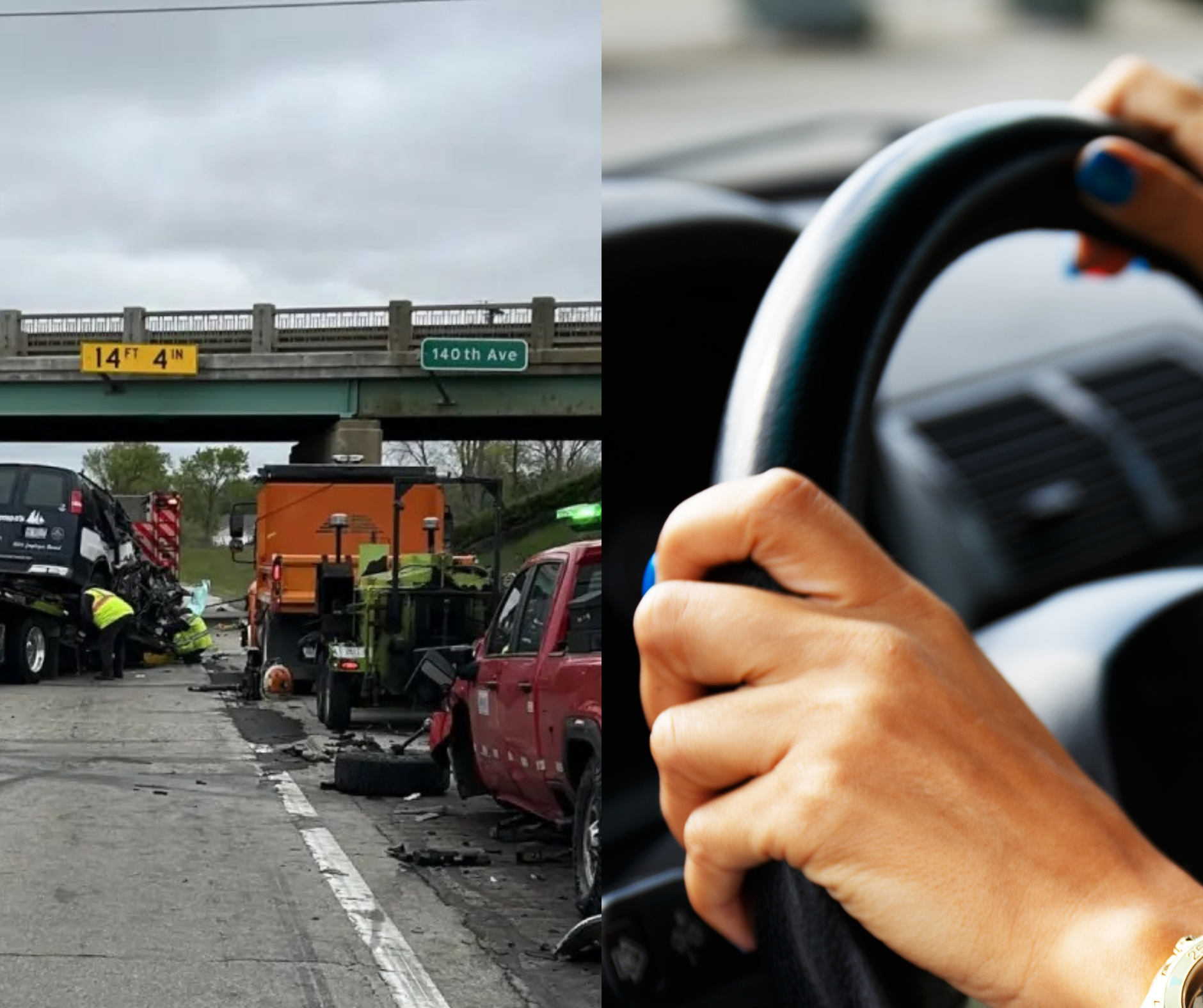
Arkansas ARDOT: AI in traffic safety is no longer theoretical — it’s here.
Facebook
Twitter
LinkedIn
AI Meets Work Zone Safety: Arkansas Takes Action
In a world where AI is quickly being adopted across industries and even more quickly advancing, Arkansas’s implementation of new camera systems that can detect a driver’s cellphone use in a work zone is no surprise — the question is, is it going to be effective.
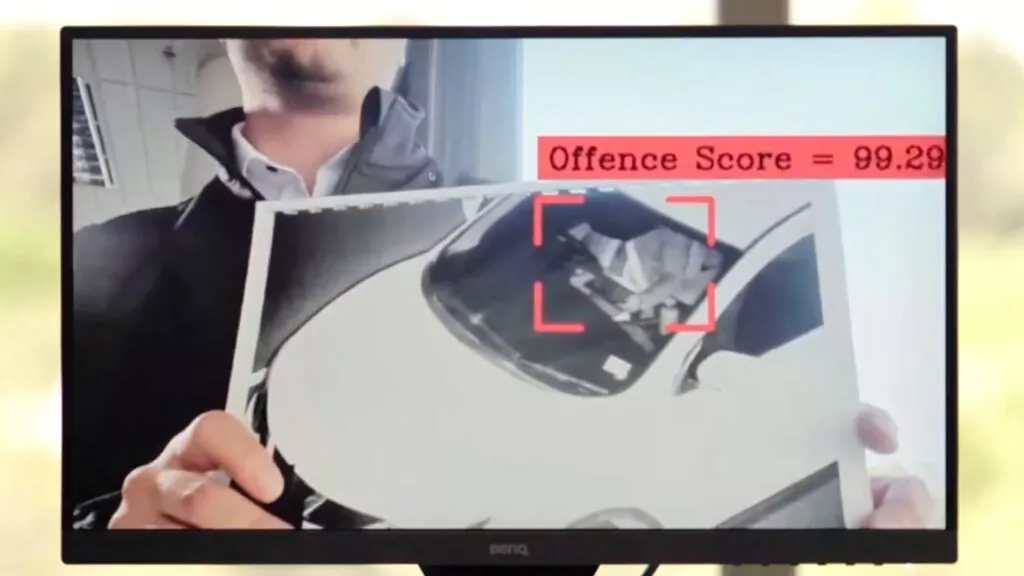
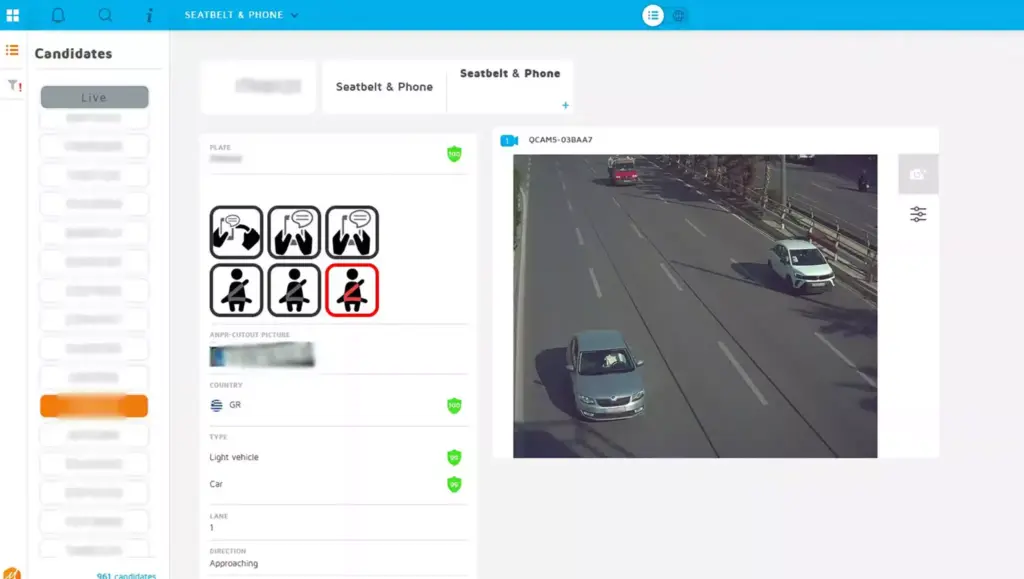
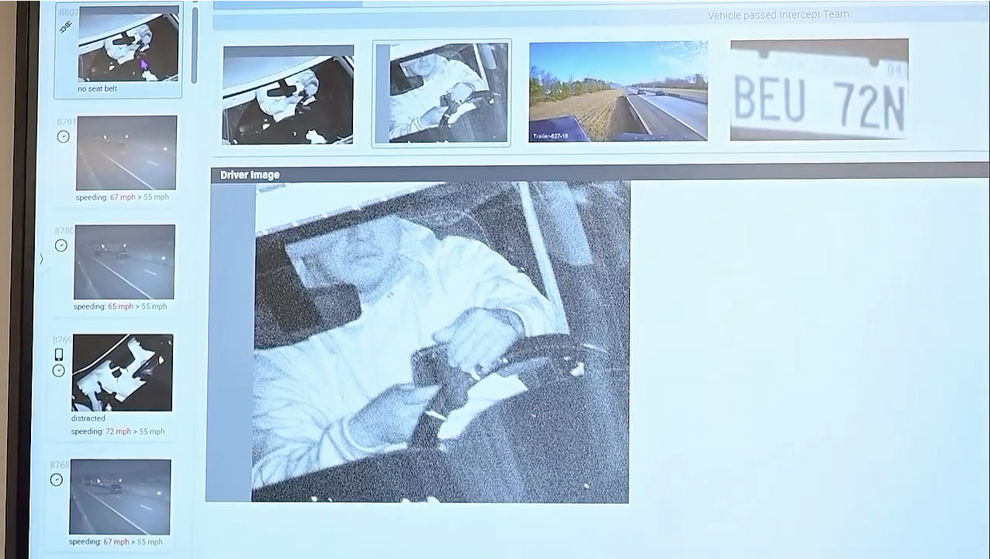
Beginning in mid-January 2026, the Arkansas Department of Transportation (ARDOT) and the Arkansas Highway Police began using upgraded work-zone cameras that not only monitor speeding but now also detect handheld device use, including cell phone usage, by drivers passing through interstate work zones. When the system detects someone holding a phone, it sends an alert to a highway patrol officer stationed downstream, who can then safely pull the vehicle over once it exits the work zone to issue a warning or citation. Importantly, this is not an automated ticket-by-mail program — an officer must be present to act on any violation.
Source: https://www.carscoops.com/
GR Ministry of Digital Governance Source: https://www.carscoops.com/
“This technology gives our troopers another tool to help identify dangerous behavior in areas where workers are especially vulnerable,” an Arkansas Highway Police spokesperson explained.
This distinction matters. Unlike fully automated enforcement systems that issue citations without human involvement, Arkansas’s approach maintains officer discretion, a safeguard often cited by transportation agencies as essential for fairness and legal defensibility. The cameras act as a force multiplier — increasing detection without increasing officer exposure inside hazardous work zones.
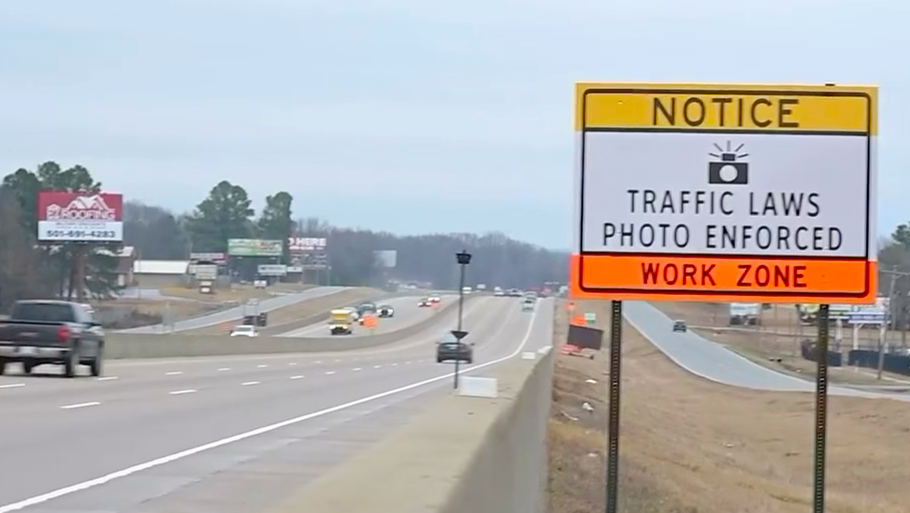
ARDOT officials also emphasize that drivers are notified when AI-enabled enforcement is in use, aligning with best practices in traffic safety that prioritize deterrence over surprise enforcement.
What Supporters Say
Supporters argue this technology fills a long-standing enforcement gap. Distracted driving — especially due to mobile phone use — remains one of the most persistent and under-enforced traffic safety threats, particularly in work zones where attention demands are already elevated.
Source: https://www.koamnewsnow.com/news/
“Work zones are complex driving environments, and distraction is often the difference between a close call and a tragedy,” one ARDOT safety official noted.
Traditional enforcement requires an officer to visually confirm a violation — often from a moving vehicle or shoulder — which can be impractical or unsafe in narrow work zones. AI detection systems can monitor every vehicle, every minute, something human enforcement alone simply cannot do.
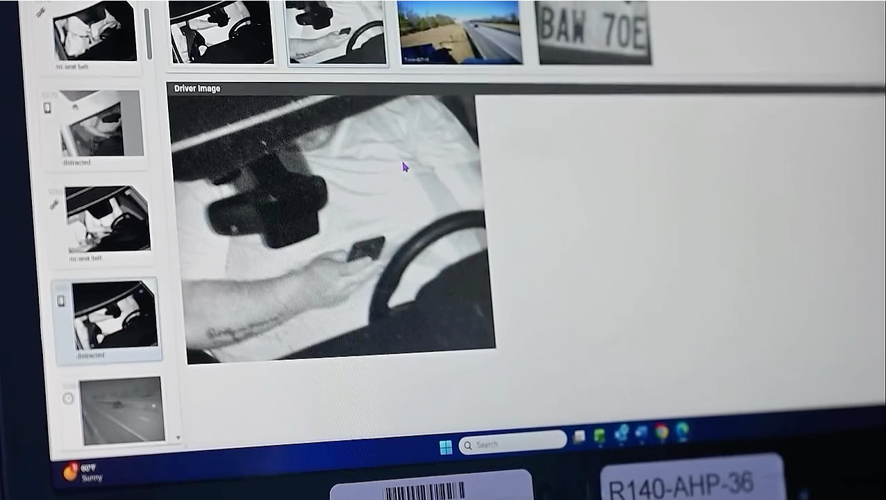
The cameras can see inside different angles as cell phone usage is determined. Shannon Becker
Research from the National Highway Traffic Safety Administration (NHTSA) supports this approach, noting that high-visibility enforcement significantly reduces handheld phone use, even when enforcement is intermittent. The key factor is perceived certainty of detection — not severity of punishment.
“When drivers believe they are likely to be caught, behavior changes,” NHTSA researchers have consistently found.
From a worker-safety perspective, unions and road-construction advocates have long called for stronger distracted-driving enforcement, arguing that drivers underestimate how little reaction time exists when navigating cones, equipment, and flaggers.
What Skeptics Raise
Critics raise valid concerns — particularly around accuracy, privacy, and scope creep.
Some worry about false positives, questioning whether AI can always distinguish between illegal phone use and legal actions like adjusting a dashboard control, using hands-free systems, or holding other objects.
“The concern isn’t the goal — it’s whether the technology can consistently get it right,” one civil liberties advocate told local media.
There are also broader concerns about normalization of camera-based surveillance. Even with clear data-retention limits, skeptics fear that today’s narrowly defined work-zone use could become tomorrow’s broader monitoring system.
Arkansas officials counter that the program includes strict data deletion rules, and images are only retained when tied to an actual enforcement action. Still, public trust will hinge on transparency — particularly around audit processes, error rates, and how often alerts result in warnings versus citations.
Another practical concern: enforcement capacity. If staffing shortages limit how often officers can respond to alerts, the deterrent effect could weaken over time.
Real-World Comparisons & Early Data
Arkansas is not alone in testing AI-based distracted-driving enforcement — and early results elsewhere provide valuable context.
In Minnesota, AI detection cameras identified more than 10,000 distracted-driving events in one month, resulting in hundreds of stops once officers reviewed alerts.
“We were seeing violations we simply couldn’t catch before,” a Minnesota police official said following the pilot.
In Western Australia, large-scale deployment of AI traffic cameras coincided with a 40% reduction in mobile phone and seatbelt violations after enforcement began.
In Saudi Arabia (Riyadh study), a detection camera program was associated with a significant reduction in observed mobile-phone use while driving, alongside large increases in seatbelt compliance — evidence that structural, camera-based interventions can change driver behavior in real-world settings.
Even pilot deployments in places like Canberra and New South Wales — which captured hundreds or thousands of phone-use violations in short deployment windows — suggest that these systems can reliably spot offenders at scale, though enforcement and legal frameworks vary.
What’s notable across these examples isn’t just the number of violations detected — it’s how quickly driver behavior changed once awareness spread. Public education campaigns combined with visible enforcement proved more effective than enforcement alone.
Academic studies, including research from Saudi Arabia and Australia, show similar trends: AI-assisted detection leads to measurable reductions in distracted behavior, even when citation rates remain modest.
A Clear Advocate for Safety — With Eyes Open
There is no silver bullet for work-zone safety. Engineering controls, better signage, safer vehicle design, and public education all play critical roles. But enforcement — particularly enforcement that drivers believe is consistent and unavoidable — remains a cornerstone.
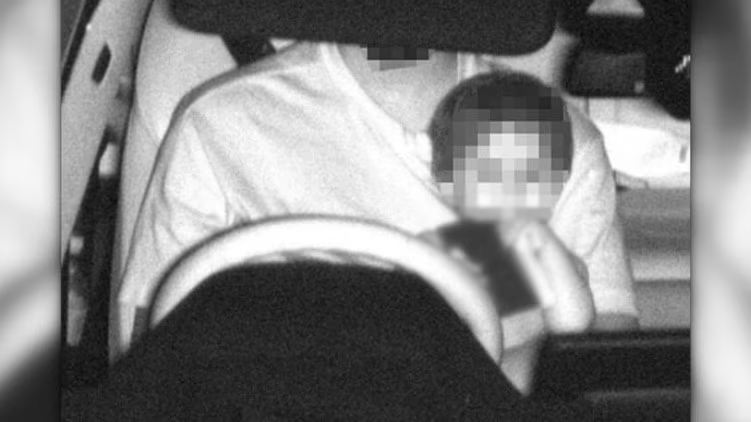
Drivers captured by AI cameras doing the wrong thing behind the wheel will now face penalties after an eight-month trial. Picture: NewsWire Handout Source: https://www.news.com.au/
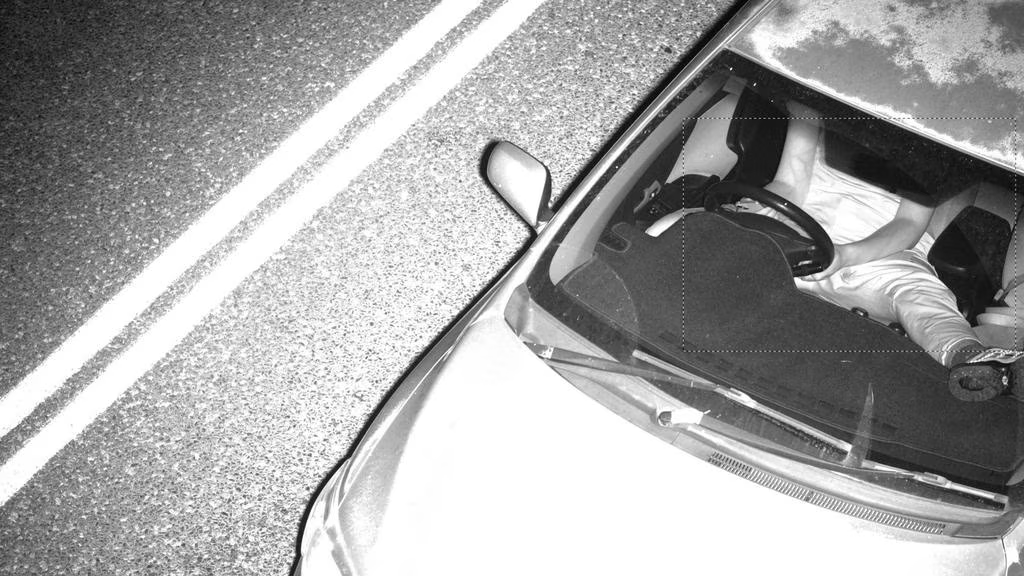
That’s not very safe. Picture: Road Safety Commission WA Source: https://www.news.com.au/
“If this technology prevents even one worker from being struck, it’s doing its job,” an Arkansas transportation official stated plainly.
For AI camera systems to succeed long-term, Arkansas will need to publicly report findings and trends, audit and disclose false-positive rates, pair enforcement with education efforts on hands-free laws, and ensure the technology remains narrowly scoped to safety-critical environments.
When used responsibly, AI does not replace human judgment — it enhances it. In work zones, where the margin for error is razor thin, that enhancement may be exactly what’s needed.
Improving work-zone safety requires better tools, smarter enforcement, and a shared commitment to protecting those on the roadside. The conversation shouldn’t be whether we use technology, but rather how responsibly we use it.
Saudi Medical Journal. “Effect of Automated Camera Enforcement on Mobile Phone Use While Driving.” PubMed Central (PMC), U.S. National Library of Medicine, 2018. pmc.ncbi.nlm.nih.gov/articles/PMC6081868/
Traffic control industry safety doesn’t always come from inside the industry. Here’s how this industry outsider can be the solution to shake up traffic control safety issues at their core.