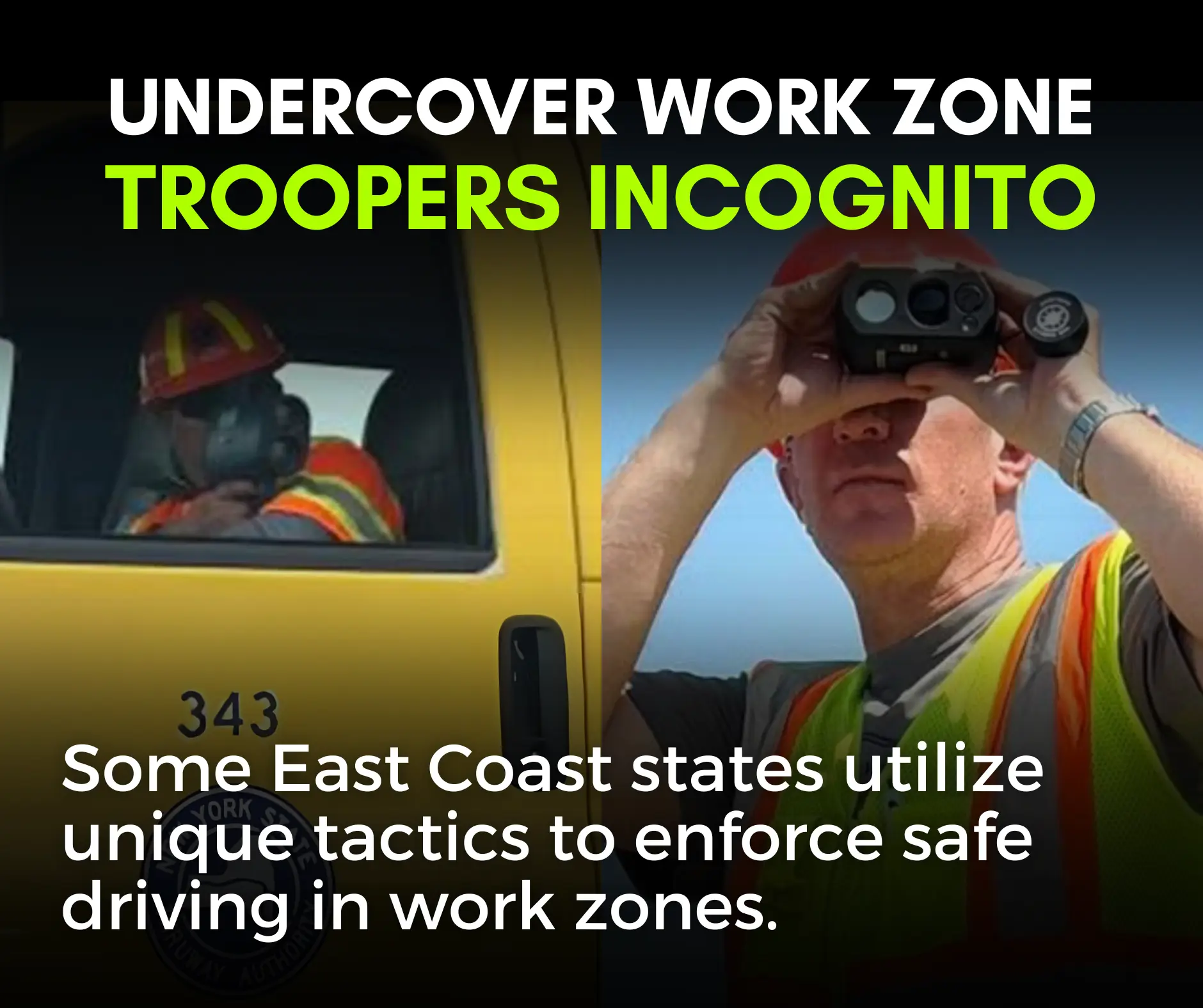
For motorists, a hard hat, high-visibility vest and DOT vehicle normally mean one thing: somebody is working to improve, maintain or repair the highway.
Increasingly, however, they can also mean that a police officer is watching traffic in two states.
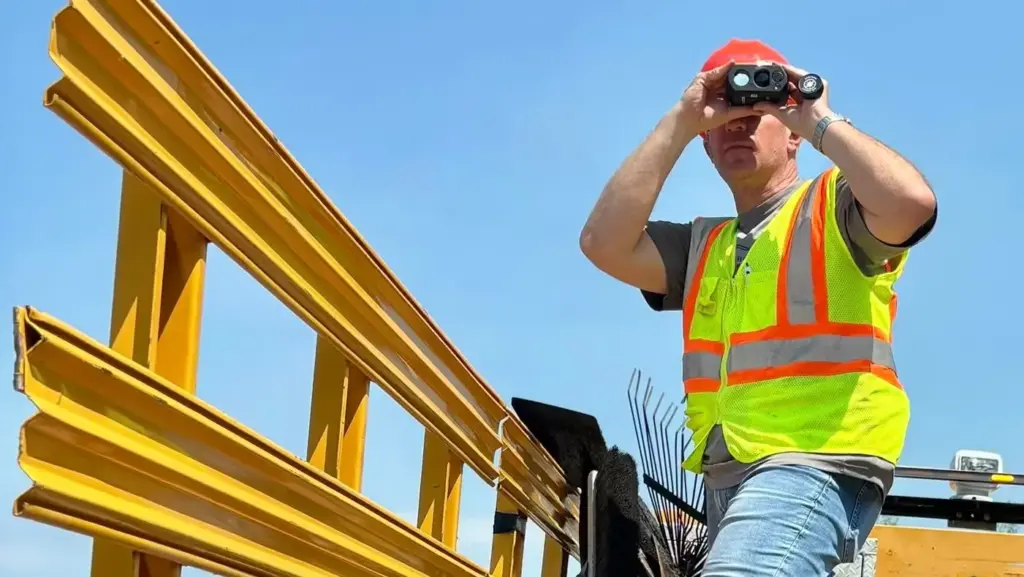
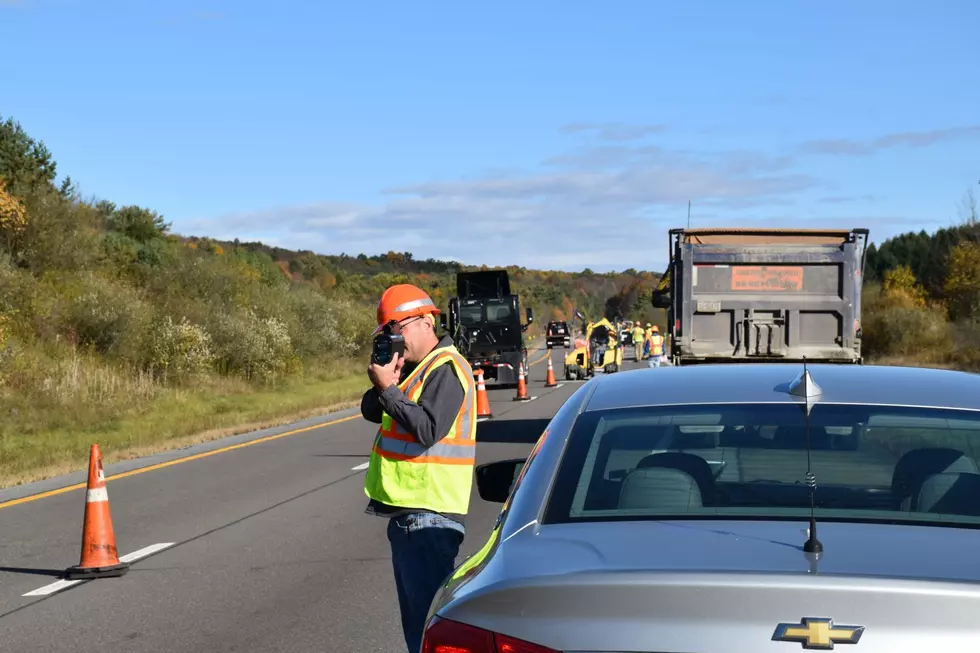
Pennsylvania and New York are using variations of this enforcement concept. During this practice law enforcement places a trooper inside an active work zone, often dressed as a highway worker and positioned among legitimate construction or maintenance activity. From there, the officer observes driver behavior without the visual cue of a marked police vehicle. When a violation is observed, the undercover officer communicates with a marked unit downstream, which makes the traffic stop.
The tactic is not new. Pennsylvania is documented as using its “Operation Yellow Jacket” as far back to the early 2000s, while New York’s “Operation Hard Hat” dates back at least to 2019. Florida Highway Patrol has also utilized a similar “Operation Hardhat” as an established work-zone enforcement technique for more than two decades.
What is noteworthy in 2026 is the frequency, geographic reach and increasingly systematic use of the tactic during the summer construction season.
How the model works
The basic concept addresses a limitation inherent in conventional traffic enforcement. Drivers can often see the enforcement vehicle before they reach the point where a violation occurs.
In a work zone, that visual advantage can be removed.
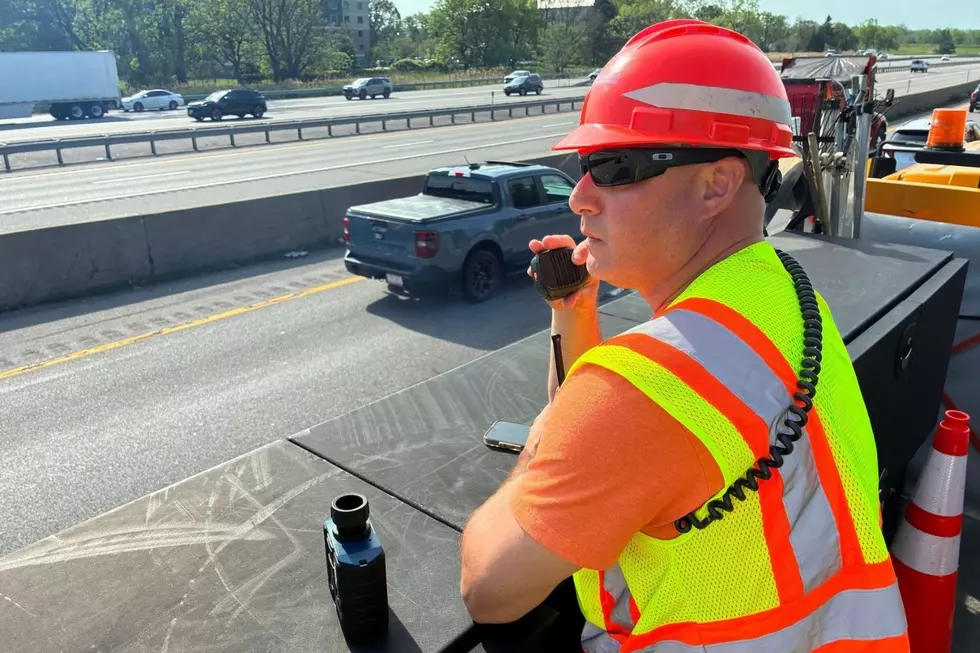
A trooper positioned within the construction operation can observe vehicles as they approach, move through and leave the work area. Depending on the deployment, the officer may be looking for excessive speed, distracted driving, tailgating, seat-belt violations, failures to move over or other violations of the temporary traffic-control arrangement.
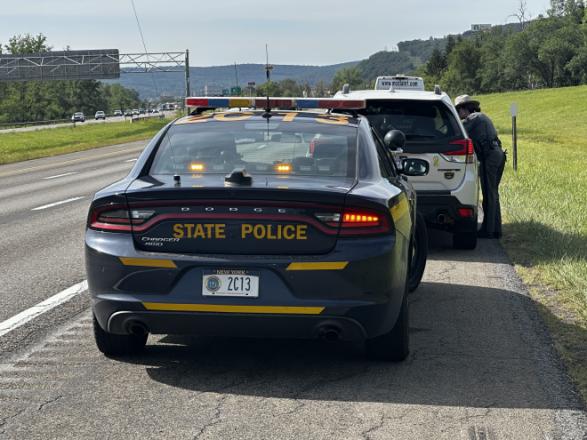
The officer then relays information to a trooper in marked unit positioned farther downstream. The second trooper makes the stop, while the observation point remains largely indistinguishable from the surrounding work operation.
That makes the tactic less about disguising an individual officer, and more about changing the geometry of enforcement. The police observation point is placed where the driver is least likely to anticipate it.
New York and Pennsylvania show the model at scale
New York’s 2026 Operation Hard Hat illustrates how the approach can be deployed repeatedly rather than as an isolated detail. State Police conducted 12 statewide details during April 20-24 and reported 967 tickets. Individual operations during the following months continued on I-81, I-84, I-590, the New York State Thruway and other highways, with individual details generally lasting several hours and producing dozens of citations. One eight-hour Herkimer County operation produced 94 tickets, while a five-hour Thruway detail near Albany produced 50.
The violations also show why the model has broader potential than simply catching speeders. New York’s reported Hard Hat operations have produced citations for speeding, electronic-device use, seat-belt violations, Move Over Law violations and other traffic offenses. Across the 2025 construction season, the state reported 3,217 tickets from 55 statewide deployments.
Pennsylvania’s Operation Yellow Jacket demonstrates a similar model on a larger deployment footprint. A 2026 spring enforcement effort in northeastern Pennsylvania involved 128 deployments and produced 1,612 citations and warnings, along with arrests for DUI, drugs and other offenses. Separate operations, including a three-day deployment on I-81 in Schuylkill County, produced additional citations and an arrest.
Taken together, the numbers are less important for what any single detail accomplished than for what they show about the model: agencies can repeat the operation across multiple work zones, roadways and construction periods while using the same basic observation-and-relay structure.
The timing is also appropriate. New York’s 2026 campaign began in April, before the Memorial Day start of the 100 Deadliest Days of Summer, and continued into the summer construction season. Pennsylvania likewise began its 2026 Yellow Jacket activity before Memorial Day and continued deployments through the summer. That places additional work-zone enforcement on the road before and during the period of heavier summer travel, while keeping the primary focus on active construction zones rather than the summer calendar itself.
Why the model has potential today
Though this is not a new practice, this model’s value today is its ability to observe driver behavior without the advance warning created by a marked cruiser. It can expose speeding, distraction, and other failures to follow temporary traffic controls that might otherwise change once drivers see enforcement.
It also gives agencies flexibility. Officers can be positioned within specific work-zone configurations, moved as construction progresses and deployed across multiple projects without relying on a conventional roadside patrol position. The possibility that an apparently ordinary work crew includes an enforcement officer may also create a deterrent effect beyond the vehicles actually stopped.
Those advantages make the tactic potentially useful as both an enforcement and behavioral tool, but citation totals alone cannot establish a safety benefit. Evaluating its effectiveness would require looking at changes in speeds, driver behavior, work-zone intrusions, crashes, injuries and fatalities.
Conclusion
The current significance of undercover work-zone enforcement is therefore less about the novelty of the tactic than its continued use and expansion. New York and Pennsylvania are demonstrating that an approach developed decades ago can be incorporated into recurring, geographically dispersed construction-season enforcement.
Its immediate function is clear: place enforcement where drivers are less likely to anticipate it. Its broader potential is to influence behavior throughout a work zone, including among drivers who are never stopped.
Whether that potential translates into measurable safety improvements remains the key question. If agencies can demonstrate reductions in unsafe speeds, work-zone intrusions or crashes alongside these deployments, the tactic becomes more than an unconventional way to issue citations. It becomes a potentially useful component of modern work-zone safety management.
For now, the operations in New York and Pennsylvania demonstrate that the work zone itself can serve not only as the environment being protected, but also as the enforcement platform.
Summary
Undercover work-zone enforcement places police officers inside active construction areas, sometimes dressed as highway workers and using DOT vehicles, to observe motorists without the advance warning provided by a marked cruiser. When violations are observed, the undercover officer communicates with a marked unit downstream, which conducts the stop.
The approach is an established enforcement technique, but its use has expanded in frequency and geographic reach. New York and Pennsylvania have incorporated versions of it into recurring construction-season programs, with deployments producing substantial numbers of citations for speeding, distracted driving, seat-belt violations, Move Over violations and other offenses. The programs demonstrate that the model can be repeated across different roadways and work-zone configurations rather than used only for isolated enforcement details.
Its primary advantage is the ability to observe driver behavior without the immediate influence of a visible police presence. It also gives agencies flexibility to position officers within changing work-zone conditions and may create a broader deterrent effect among motorists who cannot assume they will see enforcement in advance. The approach is particularly relevant in work zones, where speeding, distraction, following distance and failures to follow temporary traffic controls can create significant risks.
However, enforcement activity alone does not establish improved safety. Determining the model’s effectiveness would require measuring changes in driver speeds and behavior, work-zone intrusions, crashes, injuries and fatalities. The broader potential is for undercover enforcement to become a useful component of work-zone safety management by combining targeted enforcement with a less predictable police presence.
Works Cited
New York State Department of Motor Vehicles. “Governor’s Traffic Safety Committee Continues Targeted Traffic Safety Partnerships in Rochester and on Long Island.” New York State Department of Motor Vehicles, 28 May 2026.
Source: NY DMV source
New York State Police. “State Police Issue 967 Tickets During ‘Operation Hard Hat’ Work Zone Enforcement.” New York State Police, 8 May 2026.
Source: NY State Police source
New York State Police. “The New York State Police in Troop E Announced the Results of Operation Hard Hat.” New York State Police, 26 Apr. 2024.
Source: NY State Police, Troop E
New York State Police. “Operation Hard Hat Detail Completed in St. Lawrence County.” New York State Police, 24 May 2024.
Source: NY State Police, St. Lawrence County
“New York State Troopers Disguised as Construction Workers Ticket Nearly 100 Drivers in 8 Hours.” Road & Track, 22 May 2026.
Source: Road & Track source
Pennsylvania Department of Transportation. “PennDOT, PSP Highlight the Spring Enforcement of Operation Yellow Jacket in Northeast PA.” Commonwealth of Pennsylvania, 28 May 2026.
Source: PennDOT
Pennsylvania Department of Transportation. “PennDOT Highlights Enforcement of Operation Yellow Jacket in Schuylkill County.” Commonwealth of Pennsylvania, 30 June 2026.
Source: PennDOT, Schuylkill County source
Pennsylvania Department of Transportation. “PennDOT, PSP Highlight Operation Yellow Jacket in Northeast PA.” Commonwealth of Pennsylvania, 10 May 2023.
Source: PennDOT, 2023 source
Pennsylvania Department of Transportation. “PennDOT, Pennsylvania State Police Announce ‘Operation Yellow Jacket’ Speed Enforcement in Highway Work Zones.” Commonwealth of Pennsylvania, 20 May 2024.
Source: PennDOT, 2024 source
Work Zone Safety Information Clearinghouse. “Highway Patrol’s (FHP) Operation Hardhat Program.” Work Zone Safety Information Clearinghouse.
Source: Work Zone Safety Information Clearinghouse source
Hochul, Kathy. “Governor Hochul Highlights Statewide Work Zone Safety Efforts as Construction Season Begins and Marks National Work Zone Awareness Week.” Governor of New York, 2026.
Source: New York Governor’s Office source
Hochul, Kathy. “Governor Hochul Announces Year-End Results of Initiatives to Keep Highway Workers Safe.” Governor of New York, 2023.
Source: New York Governor’s Office, 2023 source